


For decades, silver prices were explained through one familiar lens:
investor sentiment.
When markets were fearful, silver rose.
When confidence returned, silver cooled.
That framework is now outdated.
As we move through 2026, silver’s future is being shaped far less by speculative buying—and far more by something structural, unavoidable, and irreversible: industrial demand.
This article explains why silver is no longer primarily an “investment metal,” why industry—not investors—may dictate its long-term price trajectory, and what that means for anyone accumulating silver today.
👉 Explore silver jewellery designed for long-term value at www.shaava.com
The Old Narrative: Investors Move Silver
Historically, silver behaved like a junior version of gold:
-
Investors bought it as a hedge
-
Prices followed macro fear cycles
-
Volatility was driven by speculation
In that world:
-
Demand was optional
-
Prices could cool if sentiment shifted
-
Supply and usage were secondary considerations
That world depended on one assumption:
Silver was mostly held, not used.
That assumption no longer holds.
The Structural Shift: Silver Is Now a Consumed Metal
Today, silver is not just owned—it is consumed.
It is essential for:
-
Solar photovoltaic panels
-
Electric vehicles and charging infrastructure
-
Semiconductors and AI hardware
-
Medical instruments and antibacterial applications
-
High-efficiency electronics and 5G systems
Once silver enters these applications:
-
It is often dispersed in tiny quantities
-
Recovery becomes uneconomical
-
The metal is effectively removed from circulation
This is a fundamental difference from gold, which is almost entirely recyclable and preserved.
Industrial silver demand is non-negotiable.
Investor demand is optional.
That distinction changes everything.
Why Industrial Demand Is More Powerful Than Investment Demand
Investor demand is cyclical:
-
It responds to interest rates
-
It fades when markets stabilise
-
It can reverse quickly
Industrial demand behaves differently:
-
It is planned years in advance
-
It is embedded in national energy policies
-
It grows with technology adoption, not sentiment
A solar manufacturer does not stop using silver because prices rise.
An EV producer does not switch metals because markets turn optimistic.
Industry absorbs silver regardless of mood.
Supply Cannot Respond Fast Enough
One might assume higher prices will encourage more mining.
This misunderstands silver’s supply mechanics.
Most silver is produced as a by-product of:
-
Copper mining
-
Zinc mining
-
Lead mining
This means:
-
Silver output does not scale with silver demand
-
New supply depends on unrelated metals
-
Mining expansion is slow, capital-intensive, and regulated
Even sustained price increases cannot quickly correct supply deficits.
When industrial demand rises faster than supply, the market does not balance—it tightens.
Investors Follow Price. Industry Creates It.
A critical but often ignored sequence:
-
Industry locks in long-term silver consumption
-
Supply struggles to keep up
-
Inventories tighten
-
Prices reprice structurally
-
Investors notice—and follow
In other words:
Investors react.
Industry dictates.
This is why silver’s next phase may look less like a speculative spike and more like a prolonged repricing cycle.
What This Means for Price Volatility
Yes, silver remains volatile in the short term.
But industrial demand introduces a price floor:
-
Demand does not vanish in downturns
-
Consumption continues through cycles
-
Structural deficits persist even during slowdowns
This reduces downside risk over long horizons while preserving upside during growth phases.
For long-term holders, this is a critical shift.
Jewellery: Where Industrial Logic Meets Personal Ownership
Industrial buyers don’t hoard silver—they consume it.
Retail buyers now face a choice:
-
Compete with industry later at higher prices
-
Or accumulate steadily while prices still reflect old narratives
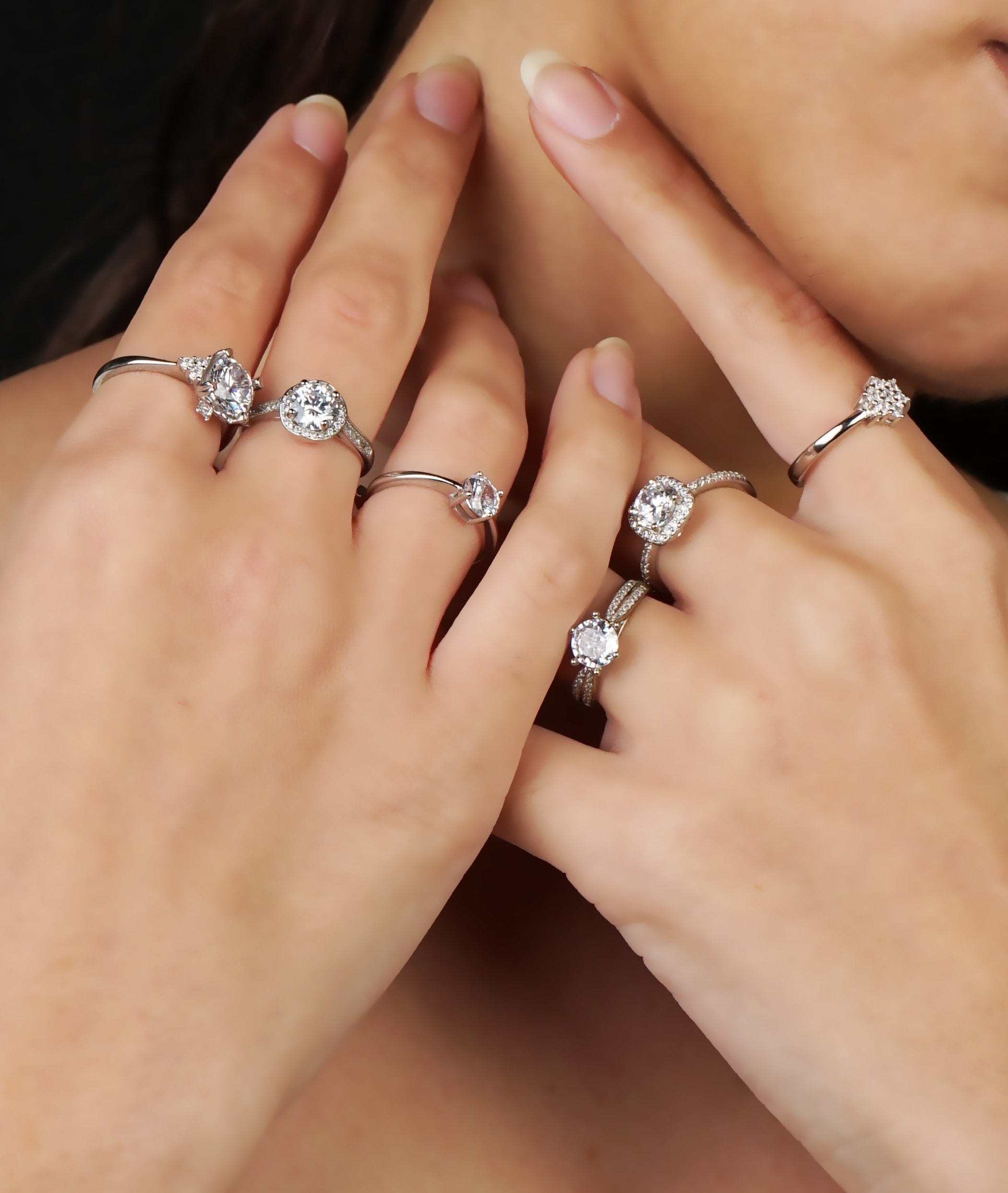
Silver jewellery provides a practical bridge:
-
Physical ownership
-
No dependency on financial instruments
-
Usable, giftable, and generational
Well-crafted silver jewellery is not speculative positioning—it is early participation.
👉 Browse accumulation-focused silver jewellery at www.shaava.com
Why This Matters More Than Investor Headlines
Investor-driven markets can reverse quickly.
Industrial-driven markets reprice slowly—and rarely reverse fully.
Once:
-
Energy grids are built
-
EV fleets scale
-
Semiconductor demand compounds
Silver consumption becomes locked in for decades.
This is not a trade.
It is infrastructure.
What Kind of Silver Benefits Most From This Shift?
Not all silver exposure is equal.
Long-term accumulation favours:
-
Physical silver over paper claims
-
High-purity forms
-
Items that retain relevance regardless of fashion
Silver jewellery, when chosen with discipline, meets these criteria:
-
925 purity
-
Solid weight
-
Timeless design
-
Minimal non-metal dilution
It aligns personal ownership with industrial reality.
Final Thoughts: The Market Is Being Rewritten Quietly
Most people are still watching:
-
Investor flows
-
Price charts
-
Short-term predictions
The real story is happening elsewhere:
-
In factories
-
In power grids
-
In energy transition plans
-
In supply constraints that cannot be solved quickly
Silver’s future will not be decided in trading rooms alone.
It will be decided in how much silver the modern world must consume, not how much investors feel like owning.
Those who understand this distinction don’t wait for confirmation.
They accumulate calmly, consistently, and early.
Silver jewellery is one of the simplest ways to do that.
Wear it. Use it. Let industry do the rest.
👉 Start accumulating silver with intent at www.shaava.com


Leave a comment