


For centuries, gold has been the default symbol of wealth, security, and preservation.
Silver, by contrast, was often treated as its quieter sibling—valuable, but secondary.
That hierarchy is now changing.
As we move through 2026, a noticeable shift is taking place among informed buyers, jewellers, and long-term investors:
gold is still being respected, but silver is being actively accumulated.
This is not an emotional trend. It is a rational response to price accessibility, industrial demand, macroeconomic pressure, and changing consumer behaviour.
This article breaks down why smart buyers are no longer choosing between gold or silver—but are deliberately adding silver to their wealth strategy, and why silver jewellery is emerging as one of the most practical accumulation tools today.
👉 Explore value-driven silver jewellery at www.shaava.com
Gold vs Silver: Same Family, Very Different Roles
Both gold and silver are precious metals.
But in today’s economy, they serve fundamentally different functions.
Gold
-
Primarily a store of value
-
Limited industrial use
-
Price driven largely by macro fear and central bank behaviour
Silver
-
Store of value and industrial necessity
-
Heavily consumed by modern technology
-
Price driven by demand pressure, not just sentiment
This dual role is what makes silver structurally different—and increasingly powerful.
Why 2026 Marks a Turning Point
2026 is not just another year in the commodities cycle. It sits at the intersection of:
-
Elevated global inflation
-
Rapid electrification and green energy adoption
-
Slowing mining supply
-
Gold becoming less accessible for everyday accumulation
In this environment, buyers are not abandoning gold—but they are reallocating.
The logic is simple:
Gold protects wealth.
Silver participates in growth.
1. Gold Has Become Expensive to Accumulate Incrementally
Gold prices have already moved into territory where:
-
Small, frequent purchases feel impractical
-
Entry barriers are high for younger buyers
-
Jewellery buying becomes occasional, not habitual
For most households, gold has shifted from:
“Buy regularly” → “Buy rarely but carefully.”
Silver fills that gap.
It allows:
-
Frequent accumulation
-
Lower ticket sizes
-
Gradual wealth building without waiting years between purchases
This behavioural shift alone is redirecting demand.
2. Silver’s Industrial Demand Has No Parallel in Gold
Gold’s value is largely static—it is held, stored, and preserved.
Silver, on the other hand, is consumed.
It is essential for:
-
Solar panels
-
Electric vehicles
-
EV charging infrastructure
-
Medical equipment
-
Semiconductors and AI hardware
-
High-efficiency electronics
Every energy transition roadmap increases silver demand.
And once silver is used industrially, it often doesn’t return to the market.
This creates structural pressure that gold simply does not experience.
3. Silver Supply Is Far More Constrained Than People Realise
A common misconception:
“If prices rise, miners will produce more silver.”
Reality:
-
Most silver is mined as a by-product of copper, zinc, and lead
-
Silver supply cannot be scaled independently
-
High-grade reserves are declining globally
-
New mining projects face environmental and regulatory delays
This means silver operates in a persistent supply deficit environment.
When demand rises, prices don’t adjust gently—they reprice.
4. Inflation Protection vs Wealth Participation
Gold excels at one thing: preserving purchasing power.
Silver does something different:
-
It protects against inflation
-
And participates in growth cycles
Historically, during inflationary and commodity upcycles:
-
Gold moves steadily
-
Silver moves aggressively
This volatility is not a weakness—it is why informed buyers allocate a portion of their holdings to silver rather than relying on gold alone.
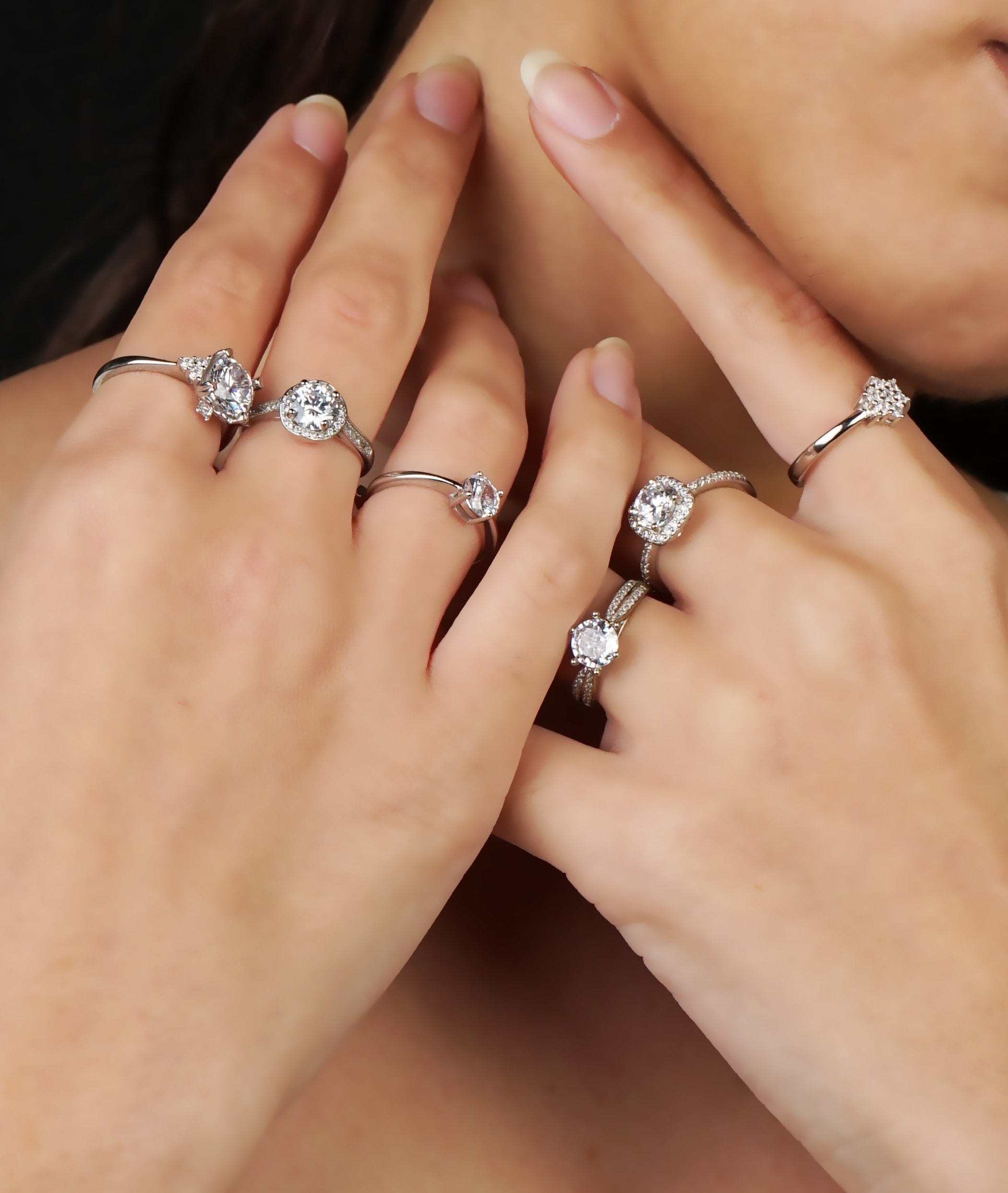
5. Jewellery Is Changing the Way People Own Precious Metals
Another quiet but powerful shift in 2026:
people want assets they can use, not just store.
Silver jewellery fits this perfectly:
-
Tangible metal value
-
Wearable and giftable
-
Emotionally meaningful
-
Liquid across generations
Unlike paper instruments or idle bars, jewellery:
-
Lives with you
-
Moves with your life
-
Appreciates as metal prices rise
When chosen well, silver jewellery is not consumption—it is portable wealth.
👉 Shop investment-conscious silver jewellery at www.shaava.com
Why Smart Buyers Are Choosing Silver Alongside Gold
This is not an “either-or” decision.
Most informed buyers today follow a simple logic:
-
Gold for stability
-
Silver for growth and accessibility
Silver’s lower entry point allows:
-
Regular buying
-
Averaging price volatility
-
Building meaningful weight over time
This makes it especially attractive to:
-
Younger buyers
-
First-time precious metal accumulators
-
Families building generational assets gradually
What Kind of Silver Holds Value Best?
Not all silver jewellery is equal from a value perspective.
Smart buyers look for:
-
925 sterling silver
-
Solid weight (not hollow)
-
Timeless designs over trends
-
Minimal excessive stones
-
High finishing and craftsmanship
Well-made silver jewellery appreciates with silver prices—and often outlasts short-term fashion cycles.
Shaava designs jewellery with this long-term lens in mind.
👉 Browse value-focused collections at www.shaava.com
Final Thoughts: It’s Not About Replacing Gold — It’s About Balance
Gold will always have a place in wealth preservation.
But 2026 has made one thing clear:
silver is no longer just an alternative—it is a strategic complement.
Those who wait for silver to “prove itself” often end up buying later at higher prices.
Those who accumulate calmly and consistently build position quietly.
The real question isn’t:
“Should I choose silver or gold?”
It’s:
“Am I diversified enough for the future economy?”
Silver jewellery lets you answer that question with clarity, utility, and value.
Wear it. Gift it. Accumulate it.
👉 Start building silver the smart way at www.shaava.com


Leave a comment