


Silver jewellery in India has always existed.
But for a long time, it lived in the background — associated with tradition, rituals, and regional wear.
In 2026, that has changed completely.
Silver is no longer secondary.
It has become central to how modern India wears jewellery daily.
And platforms like www.shaava.com are at the forefront of this evolution — shaping silver not as an alternative, but as a primary choice.
Let’s understand how this transformation actually happened.
The Traditional Roots of Silver in India
Historically, silver jewellery in India was:
• Heavier and more ornamental
• Often oxidised in finish
• Worn in rural or ceremonial contexts
Common pieces included:
• Anklets (payal)
• Toe rings
• Thick bangles
• Tribal necklaces
Silver was valued — but not always seen as “aspirational” in urban settings.
Gold dominated that space.
The Shift: Urban Lifestyles Changed Jewellery Needs
As India urbanized and work culture evolved, jewellery had to adapt.
Modern lifestyles demanded:
• Lightweight pieces
• All-day comfort
• Versatility across outfits
• Subtle, non-intrusive design
Heavy traditional silver didn’t fit this.
So silver evolved.
From ornamental → functional
From occasional → everyday
That’s where brands like www.shaava.com stepped in — designing silver for real life, not just tradition.
The Rise of 925 Silver as Everyday Jewellery
One of the biggest changes has been the shift to 925 sterling silver.
Earlier, purity awareness was low.
Now, buyers actively look for:
• 92.5% purity (standardized quality)
• Better finishing (rhodium polish, anti-tarnish coatings)
• Precision in design
This has elevated silver from “casual” to premium everyday jewellery.
On www.shaava.com, this shows up as:
• Clean finishing
• Consistent quality
• Repeat-wear durability
Design Evolution: From Heavy to Minimal
The biggest visible shift is in design language.
Then:
• Large, detailed, oxidised
• Statement-heavy
• Region-specific
Now:
• Clean, minimal
• Lightweight
• Globally influenced
Modern silver jewellery focuses on:
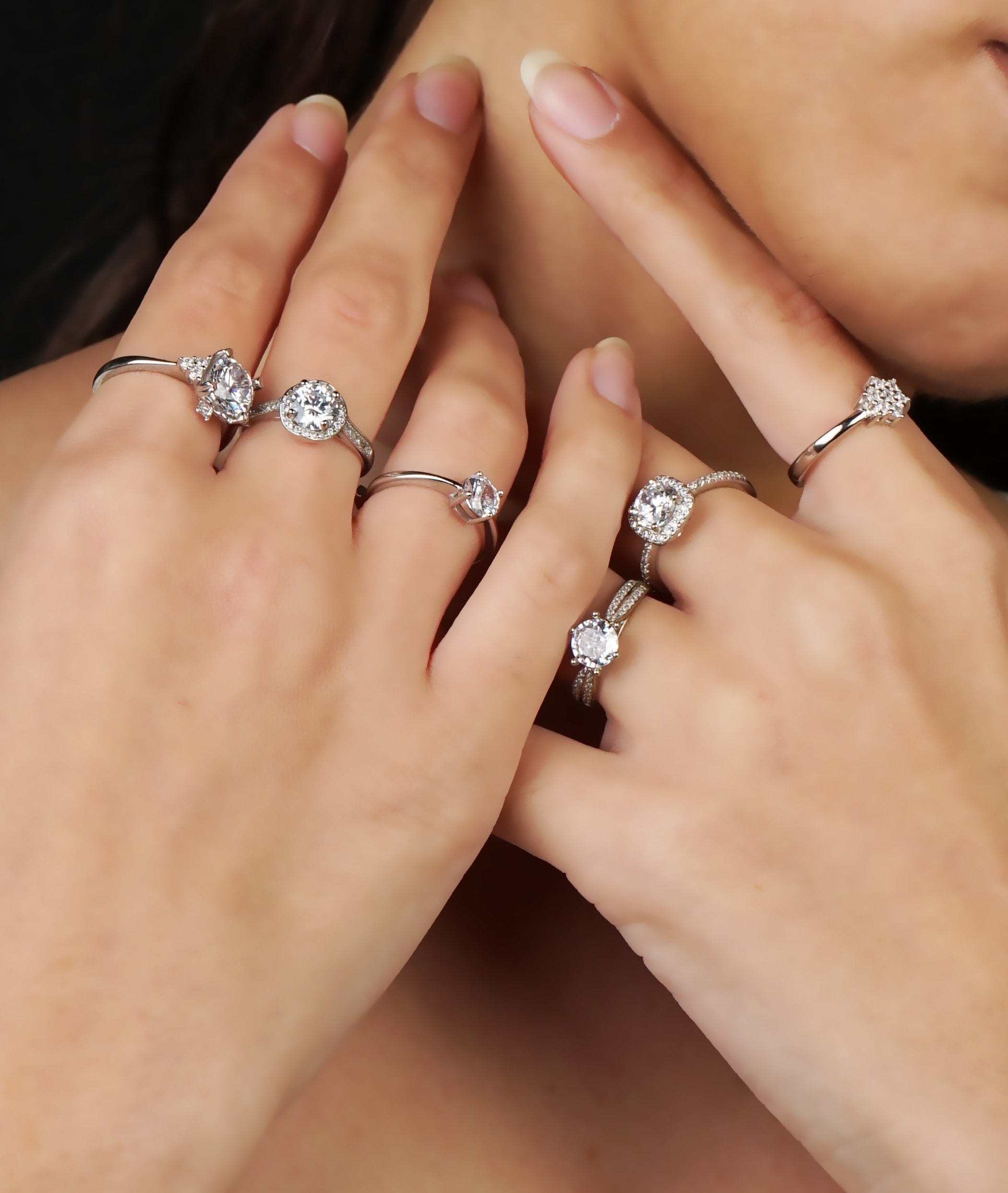
• Stackable rings
• Layered chains
• Small studs
• Slim bracelets
This aligns perfectly with collections on www.shaava.com, where simplicity is intentional, not basic.
Changing Buyer Psychology
This evolution is not just design-led — it’s mindset-led.
Earlier buyers asked:
• “Is this valuable?”
• “Is this for an occasion?”
Now they ask:
• “Will I wear this daily?”
• “Does this fit my lifestyle?”
• “Is this worth repeating?”
This shift has made silver more relevant than ever.
Because silver is:
• Accessible
• Versatile
• Easy to integrate into daily life
Silver vs Gold: A New Role, Not a Replacement
Gold still holds:
• Cultural importance
• Investment value
But silver has taken over a different space:
Daily wear.
In 2026:
• Gold = occasions, weddings, investments
• Silver = everyday, workwear, styling
That’s why modern consumers are building silver-first wardrobes on platforms like www.shaava.com.
The Influence of Global Fashion
Indian silver jewellery is no longer isolated.
Global trends have influenced:
• Minimalism
• Layering
• Mixed metals
• Geometric designs
This has made silver:
• More versatile
• More contemporary
• More style-driven
Collections on www.shaava.com reflect this global-meets-local approach — wearable in India, relevant globally.
Social Media & Styling Culture
Platforms like Instagram and Pinterest have changed how jewellery is perceived.
Focus has shifted to:
• Styling combinations
• Repeat wear
• Everyday looks
Instead of showcasing heavy sets, people now show:
• Ring stacks
• Layered chains
• Daily jewellery routines
Silver fits this content-driven culture better than gold.
Affordability Meets Aspiration
One of the strongest drivers of silver’s evolution:
Accessible luxury
People want:
• Premium feel
• Without high investment
• With high usage
Silver delivers that.
On www.shaava.com, this translates into:
• Pieces you can buy more often
• Pieces you actually wear
• Pieces that don’t sit in lockers
The Rise of Conscious Buying
Modern buyers are also more aware.
They prefer:
• Longevity over trend
• Everyday usability
• Responsible consumption
Silver — especially 925 — fits into this mindset better than fast-fashion jewellery or heavy investment pieces.
What Silver Jewellery Represents Today
In 2026, silver jewellery in India represents:
• Independence from traditional norms
• Practical luxury
• Personal style over social expectation
• Everyday identity
It’s no longer “less than gold.”
It’s different — and often more relevant.
Why Shaava.com Reflects This Evolution
This transformation is not accidental.
It’s being shaped by brands that understand modern behavior.
www.shaava.com focuses on:
• Everyday wearability
• Minimal, refined design
• Layering-friendly collections
• Consistent quality
It doesn’t position silver as a substitute.
It positions it as the main choice.
Conclusion
Silver jewellery in India has moved from:
• Traditional → Contemporary
• Occasional → Everyday
• Decorative → Functional
This is not just a trend.
It’s a long-term shift in how people relate to jewellery.
In 2026, silver is no longer in gold’s shadow.
It’s defining its own space.
And with thoughtfully designed collections on www.shaava.com, that space is only expanding.
FAQs
1. Why is silver jewellery becoming popular in India?
Because it fits modern lifestyles — affordable, wearable, and versatile.
2. Is silver replacing gold?
No. It’s replacing gold in daily wear, not in cultural or investment use.
3. What is 925 silver?
It’s sterling silver with 92.5% purity, ideal for jewellery.
4. Is modern silver jewellery durable?
Yes, especially when made with proper finishing and care.
5. Why are minimalist designs trending?
They are comfortable, versatile, and easy to wear daily.
6. Is silver suitable for office wear?
Yes, it’s one of the most preferred choices today.
7. Can silver jewellery look premium?
Absolutely — design and finish matter more than price.
8. Where can I explore modern silver jewellery in India?
You can explore everyday wearable collections at www.shaava.com.


Leave a comment