


Many people wear their favourite jewellery all day, including while bathing or washing their hands. This often raises a common question:
Is it safe to wear silver jewellery in water or while showering?
The short answer is yes, but it’s not always recommended for long-term care. While silver jewellery can handle occasional water exposure, repeated contact with water, soap, and chemicals may affect its shine over time.
Understanding how silver reacts to moisture can help you protect your jewellery and keep it looking beautiful for years.
Understanding 925 Sterling Silver
Most quality silver jewellery is made from 925 sterling silver, which contains:
-
92.5% pure silver
-
7.5% alloy metals (usually copper)
This alloy improves durability and makes silver strong enough for jewellery.
However, the alloy components can react with moisture, air, and chemicals, which may lead to tarnishing over time.
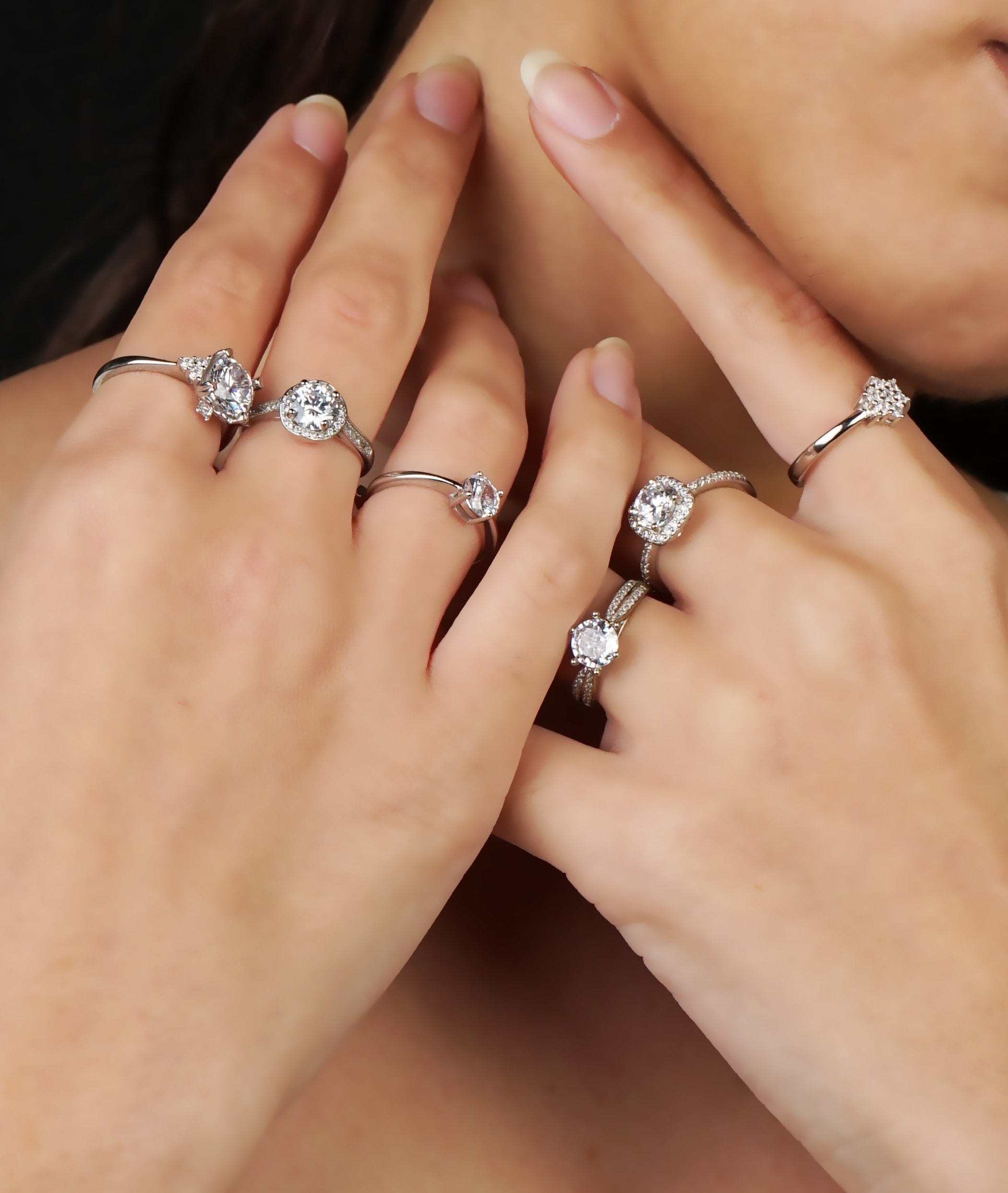
Many everyday jewellery collections—like those available at **www.shaava.com**—are crafted using 925 sterling silver, which is designed for regular wear but still benefits from proper care.
What Happens When Silver Gets Wet?
Water itself usually does not damage silver directly. However, certain types of water and products can affect the metal.
Potential effects include:
-
Increased tarnish over time
-
Soap residue buildup
-
Loss of shine due to minerals in water
Occasional exposure—such as washing hands—is generally harmless, but repeated exposure can gradually affect the appearance.
Wearing Silver Jewellery in the Shower
Wearing silver jewellery in the shower occasionally is usually safe, but it is not ideal for long-term maintenance.
During a shower, jewellery may come into contact with:
-
Shampoo
-
Body wash
-
Conditioner
-
Hard water minerals
These substances can leave residue on the metal, making silver appear dull or cloudy.
For best results, many jewellers recommend removing silver jewellery before showering.
Can You Wear Silver Jewellery While Swimming?
Swimming is generally not recommended for silver jewellery.
Swimming pools often contain chlorine, which can react with silver alloys and accelerate tarnish.
Saltwater from the ocean may also affect silver over time.
To protect your jewellery, it’s best to remove silver pieces before swimming.
When Water Exposure Is Usually Safe
Silver jewellery can handle light water exposure such as:
✓ Washing hands
✓ Brief rain exposure
✓ Quick rinsing during cleaning
Everyday silver jewellery—like minimal rings, chains, or earrings from **www.shaava.com**—is generally durable enough for normal daily activities.
The key is simply avoiding prolonged exposure to chemicals or harsh environments.
How to Protect Silver Jewellery from Water Damage
If you want your silver jewellery to maintain its shine for years, a few simple habits can help.
Helpful tips include:
Remove jewellery before showering or swimming
This prevents exposure to soap and chlorine.
Dry jewellery if it gets wet
Use a soft cloth to remove moisture.
Store jewellery properly
Keep silver in dry airtight boxes or pouches.
Clean occasionally
Regular cleaning helps remove residue and restore shine.
Does Water Cause Silver to Tarnish Faster?
Water itself doesn’t directly cause tarnish, but it can speed up oxidation when combined with other elements such as:
-
Oxygen in the air
-
Sulfur compounds
-
Chemicals in soaps and cosmetics
This is why silver jewellery may tarnish more quickly if worn frequently in wet environments.
Final Thoughts
Silver jewellery is durable enough for everyday wear, but it still benefits from careful handling.
Occasional contact with water—like washing hands—is usually fine. However, to maintain its shine and longevity, it’s best to remove silver jewellery before:
-
Showering
-
Swimming
-
Using strong chemicals
With proper care, 925 sterling silver jewellery can remain beautiful for many years.
If you’re looking for elegant everyday silver jewellery designed for daily wear, you can explore modern 925 sterling silver collections at:
Because the best jewellery is the kind you can enjoy every day—with just a little care.


Leave a comment